Is StockX Legit? An Honest Review Of The Sneaker Marketplace

So, you’re staring at a pair of hyped sneakers on StockX, your finger hovering over the “Place Bid” button. A mix of excitement and nervousness hits you. On one hand, this is your chance to finally own those grails. On the other, you’re handing over a lot of money to an online middleman. The big question screaming in your head is this: Is StockX legit?
It’s the modern dilemma for every sneakerhead and collector. Let’s cut through the hype and the horror stories. This is your straightforward, no-nonsense guide to understanding what you’re really getting into with StockX.
How StockX actually works: It’s not a shop
First of all, it’s crucial to understand that StockX is not a retailer like Nike or a standard store. Instead, it is a high-stakes trading floor or kind of a referee. You are buying from individual sellers – a collector in Tokyo, a reseller in London, or a kid in Ohio. StockX simply provides the platform and, most importantly, promises to check the item before it gets to you.
The process is unique and works like the stock market, hence the name:
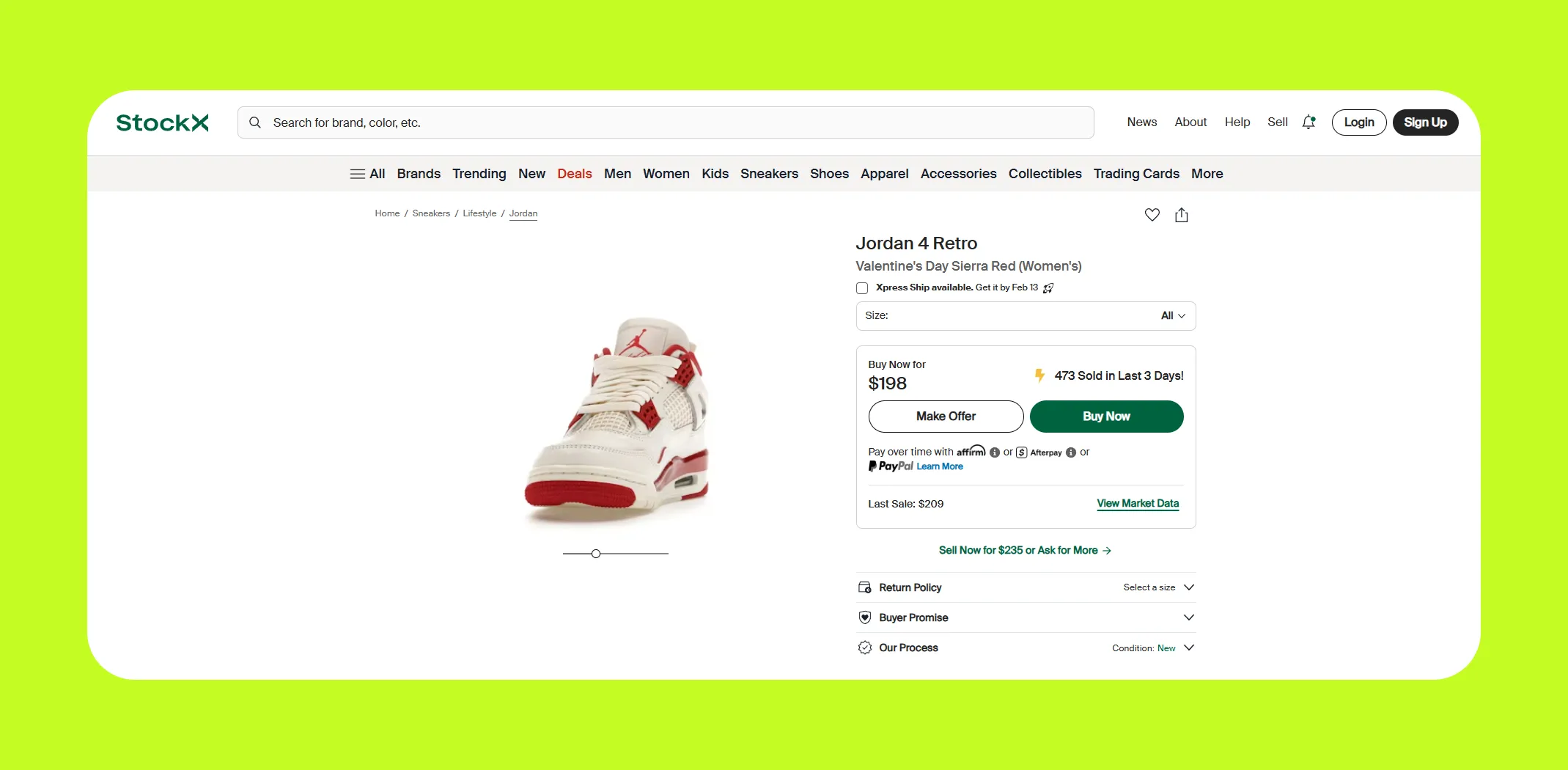
- Sellers list an “Ask”: This is the lowest price they’ll accept.
- Buyers place a “Bid”: This is the highest price they’ll pay.
- The deal happens: When a Bid and an Ask match, the sale is automatic.
- The item goes to StockX: The seller ships your sneakers or hoodie to a StockX verification center – not directly to you.
- The “Legit Check”: Their team inspects the item. If it passes, they ship it to you with a green verification tag. If it fails, you get a refund.
This system was revolutionary because it added a layer of security. You weren’t just trusting a stranger’s blurry photos. However, a major shift in this process has recently shaken buyer trust to its core.
The heart of the matter: The authentication process (and its new loophole)
StockX built its billion-dollar reputation on one promise: every single item is physically checked by their experts. Their marketing centers on this “rigorous, multi-step verification process” where teams inspect stitching, materials, smell, and packaging. They claim to have checked over 60 million items and intercepted over $400 million in fakes. For buyers, this was the entire point – paying a premium for peace of mind.
Nevertheless, everything changed with the launch of the “Verified Seller” program.
Here’s the controversial twist: This program allows a select group of top sellers to skip the verification center entirely. They can now ship items directly to you, attaching the green “Verified Authentic” tag themselves. Essentially, sellers are grading their own homework.
Why this change is a big deal
- The trust model is broken: The core value was StockX as the independent middleman. Now, for some orders, that middleman is gone.
- You might not know: Buyers are often only notified after purchase that their item is coming directly from a seller, not a verification center.
- Fees stay the same: You pay the same buyer premium, but for these orders, StockX didn’t perform the service you’re paying for.
- Human error risk increases: Even well-meaning sellers can miss flaws or sophisticated fakes. StockX’s system was designed to be the final, objective filter.
StockX defends the program, stating these sellers are heavily vetted, undergo training, and face regular audits. They also stress it applies to less than 1% of orders. Still, for the community, it feels like a fundamental breach of the original promise. After all, trust is hard to earn but easy to lose.
Weighing the real-world experience: Praise vs complaints
Beyond the official process, what’s the actual user experience like? Looking at reviews and personal stories gives us a balanced, on-the-ground evidence needed to answer ‘is StockX legit?’ in practice.
The good:
Many buyers report positive experiences. The most common praise is for the authentication process – when it works as originally intended, it delivers confidence. People love the wide selection, the market data that helps them make smart bids, and finally getting that “crispy, clean” pair they couldn’t find anywhere else.
Furthermore, many sellers appreciate the simplicity and global reach, moving items quickly to millions of potential buyers.
The bad:
Conversely, customer feedback highlights consistent pain points:
- Strict and inflexible policies: StockX’s definition of “deadstock” (brand new, unworn) is extremely strict. Items have been rejected for a faint smell of cologne, a tried-on t-shirt, or a slightly damaged box.
- Customer service challenges: Getting help can be difficult. Resolving issues like a wrong box, a delayed order, or a disputed item often requires significant patience and persistence.
- “It’s not a fake, but…”: Sometimes, items pass authentication as “real” but arrive with manufacturing flaws, stains, or odors, leaving buyers in a tough spot with a “no returns” policy.
The hidden costs: Fees and the waiting game
Legitimacy isn’t just about real versus fake; it’s also about value and transparency. Therefore, you must understand what you’re really paying for.
For buyers: The price you see is not the price you pay. On top of your winning bid, StockX adds a processing fee (around 3%) and a shipping fee (typically $14-$20). A $200 sneaker can easily cost $230 by checkout.
For sellers: The fees are steeper. StockX takes a transaction fee that ranges from 9% down to 7% for high-volume sellers, plus a 3% payment processing fee. Therefore, selling that $200 sneaker might only net you around $176.
The timeline: If you need something fast, look elsewhere. The multi-step process means waiting:
- 1-2 days for the seller to ship
- 3-5 days for delivery to StockX
- 1-2 days for authentication
- 3-5 days for delivery to you
All in all, you’re often looking at 1.5 to 3 weeks from click to doorstep. Expedited shipping options exist, but they add even more cost.
Your survival guide: How to use StockX smartly
Given the mixed bag, how do you protect yourself? Here are actionable tips.
For buyers:
- Bid, don’t “Buy Now”: The “Buy Now” price is the highest Ask. Place a lower Bid and be patient – you’ll often get a better deal.
- Study the data: Use the price history charts. Don’t overpay compared to recent sales.
- Video your unboxing: The moment you receive the package, film yourself opening it. This is crucial evidence if the item is flawed or not as described.
- Inspect the tag (but don’t trust it blindly): Fake StockX tags now exist. Check that the tag is on the left shoe, the green color is right (“grass green,” not mint), and the plastic isn’t scuffed. Remember, however, the tag itself doesn’t guarantee authenticity.
For sellers:
- Only sell true deadstock: If you’ve tried it on, walked on carpet, or removed tags, don’t list it. The risk of rejection and a penalty fee is high.
- Pack perfectly: Use a new, sturdy shipping box. Protect the original item box at all costs.
- Know your fees: Calculate your potential profit after all fees so you’re not disappointed.
- Ship immediately: You have two business days. Delays can hurt your seller rating.
So, what are the alternatives?
If the issues with StockX give you pause and you’re still wondering ‘is StockX legit?’ for your needs, fortunately, you have other options. Other platforms have different strengths.
Final verdict: Is StockX legit?
Let’s circle back to the burning question. After examining the evidence, here’s the honest breakdown:
Yes, StockX is a legitimate business. It is not a scam. It has standardized the resale market for sneakers, streetwear, and electronics. Millions of successful transactions happen every year. For buying brand-new, in-demand items where you want market-price transparency, it remains a powerful tool.
However, its legitimacy is no longer bulletproof. The Verified Seller program has introduced significant risk by removing their core authentication service for some sales. Additionally, their strict policies, high fees, and variable customer service mean your experience can be frustrating.
- You should use StockX if: You understand and accept the fees, are patient with shipping, are buying a sealed, new-release item, and use the bidding system to get a fair price.
- You should consider an alternative if: Customer service is a top priority, you’re buying pre-owned items, you need something quickly, or the idea of a seller self-authenticating makes you uneasy.
In the end, StockX provides a service that adds security compared to a random Instagram seller. Ultimately, the “legitimacy” of your experience depends on your caution, your patience, and a bit of luck. Go in with your eyes open, use the tips above, and may your bids always be winning.
Shifting from chance to control: Build your own marketplace
For both buyers and sellers, platforms like StockX represent a high-stakes exchange. Buyers navigate authenticity concerns and premium prices, while sellers compete in a crowded arena with strict rules and fees. It’s a model that continually forces participants to ask, is StockX legit enough to build a future on?
If you’re ready to move from participating in someone else’s marketplace to building and owning your own, dropshipping offers a strategic path forward.
This model flips the script entirely. You create your own branded store and connect customers with products. When a sale is made, a supplier ships the item directly to your customer.
Therefore, you never manage inventory or bulk orders. Your focus is on building your brand, curating products, and marketing – you earn the profit between your selling price and the supplier’s cost. It transforms commerce from a transactional bet into a systematic business built on your terms.
Why AliDropship is the launchpad for your first store
Starting a dropshipping business from scratch involves daunting tasks: sourcing products, building a website, and setting up complex logistics. For the serious beginner, a professional turnkey store solution eliminates these barriers, providing a complete, ready-to-launch ecosystem.
Here’s what sets the right turnkey solution apart as the ultimate shortcut:
- A free, turnkey store: For $39 per month, you receive a fully designed, functional online store specific to your niche. This means no technical setup, no design headaches, and no need to integrate scattered apps. Everything works together seamlessly from day one.
- Automation that does the heavy lifting: The core of a modern dropshipping business is automation. AliDropship automates order processing, shipment tracking, and inventory updates. Consequently, you save countless hours on manual work and can focus on growth and customer service.
- Access to a curated product catalog: Instead of an overwhelming hunt through endless options, you get access to a vetted catalog of high-converting products. More importantly, this includes partnerships with authorized suppliers for premium brands, allowing you to build a trusted, high-value store from the start.
- Built for beginners, focused on success: AliDropship is designed for clarity, with intuitive controls and integrated marketing tools. Furthermore, it is backed by direct support and training resources to guide you through launching and scaling, turning complex challenges into manageable steps.
In essence, a professional turnkey solution by AliDropship consolidates everything you need. It replaces the uncertainty and friction of starting alone with a clear roadmap, letting you launch a credible business.
How common are fake products on StockX?
What are the main risks of using the StockX platform?
The primary risks for buyers include receiving a counterfeit item, getting a product with undisclosed flaws, facing high non-transparent fees, and encountering slow or unresponsive customer service. For sellers, the biggest risks are having authentic items rejected for very strict condition reasons, paying high seller fees, and receiving penalties for order cancellations.
Does StockX offer refunds to customers?
Are the shoes sold on StockX new or used?
StockX is strictly a marketplace for deadstock items. This means every shoe should be brand new, in its original condition, never worn, and include the original box. They do not have a platform for selling used or pre-worn sneakers. Items found to have signs of wear are supposed to be rejected during verification.
Which shoe model is most frequently counterfeited on StockX?